

Finding Your People
Pulling up a chair for Jenn Lueke...


Lately, I’ve been thinking a lot about how connected we all are, yet how many people still feel lonely. People crave connection, and although online spaces can sometimes amplify that feeling, they can also do the opposite.
I started this Substack because I wanted a place online that felt human. A place where people could gather, exchange stories, share what they know, and leave feeling a little lighter than when they arrived.
Our contributor today, Jenn Lueke, has done the same thing through something as simple as meal prep. She realized people weren’t just looking for recipes. They were looking for structure, and the comfort of knowing someone else was figuring it all out too.
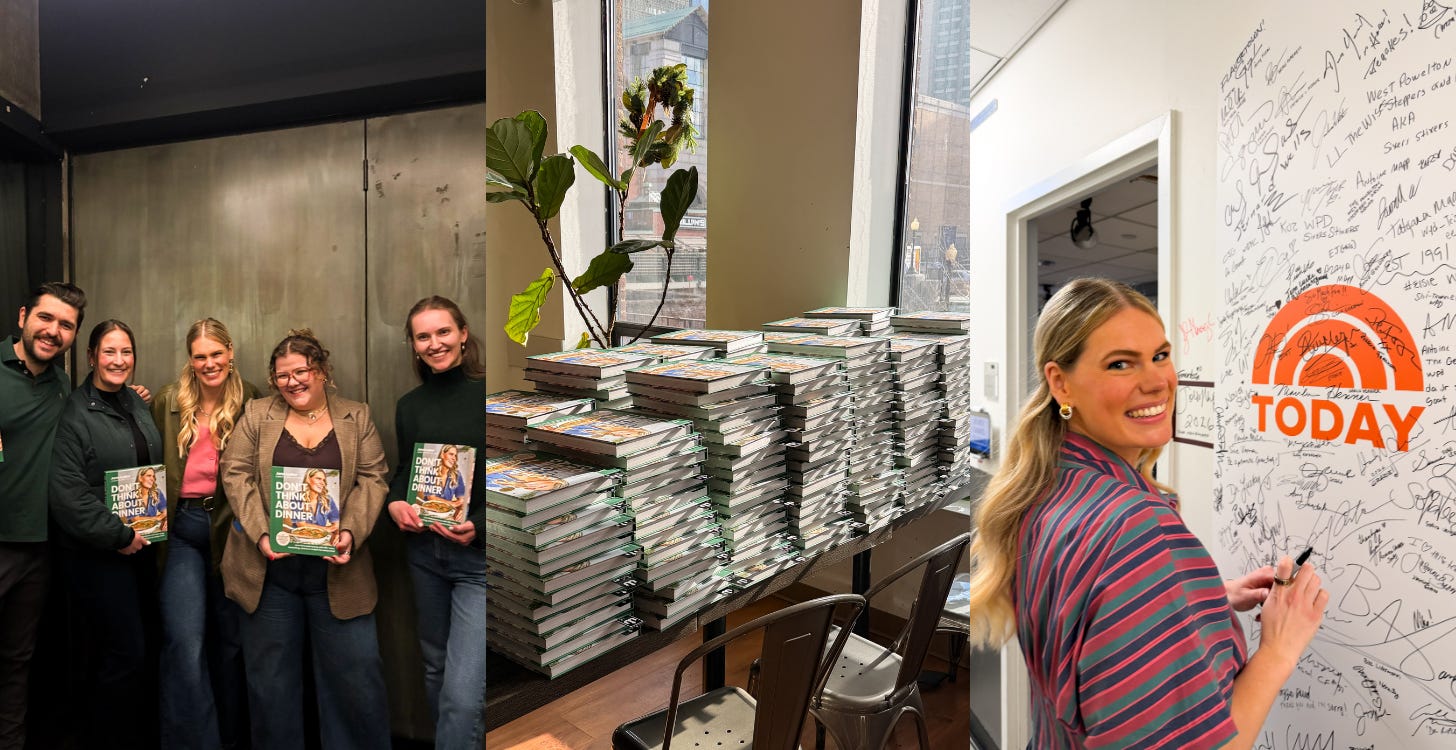
More than 175,000 people have now found their way to the community Jenn created because it feels honest and real.
I think there’s something really hopeful in that.
Here’s Jenn:
Finding My People by Finding Their Problem: How I Grew a 175K+ Community Through a Shared Struggle
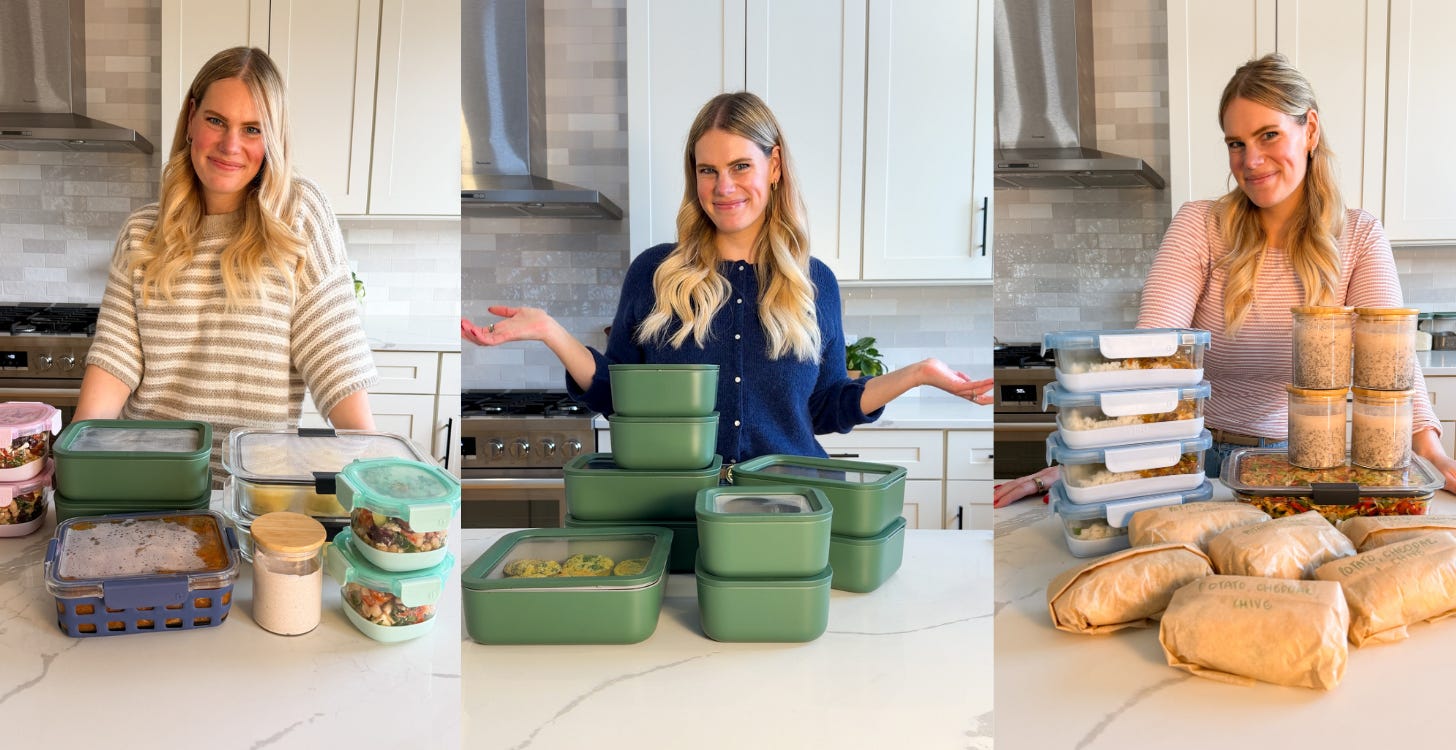
Two years ago, I started a newsletter here on Substack called the eat goood newsletter after making a simple observation: people weren’t struggling to find recipes, they were struggling to decide and execute.
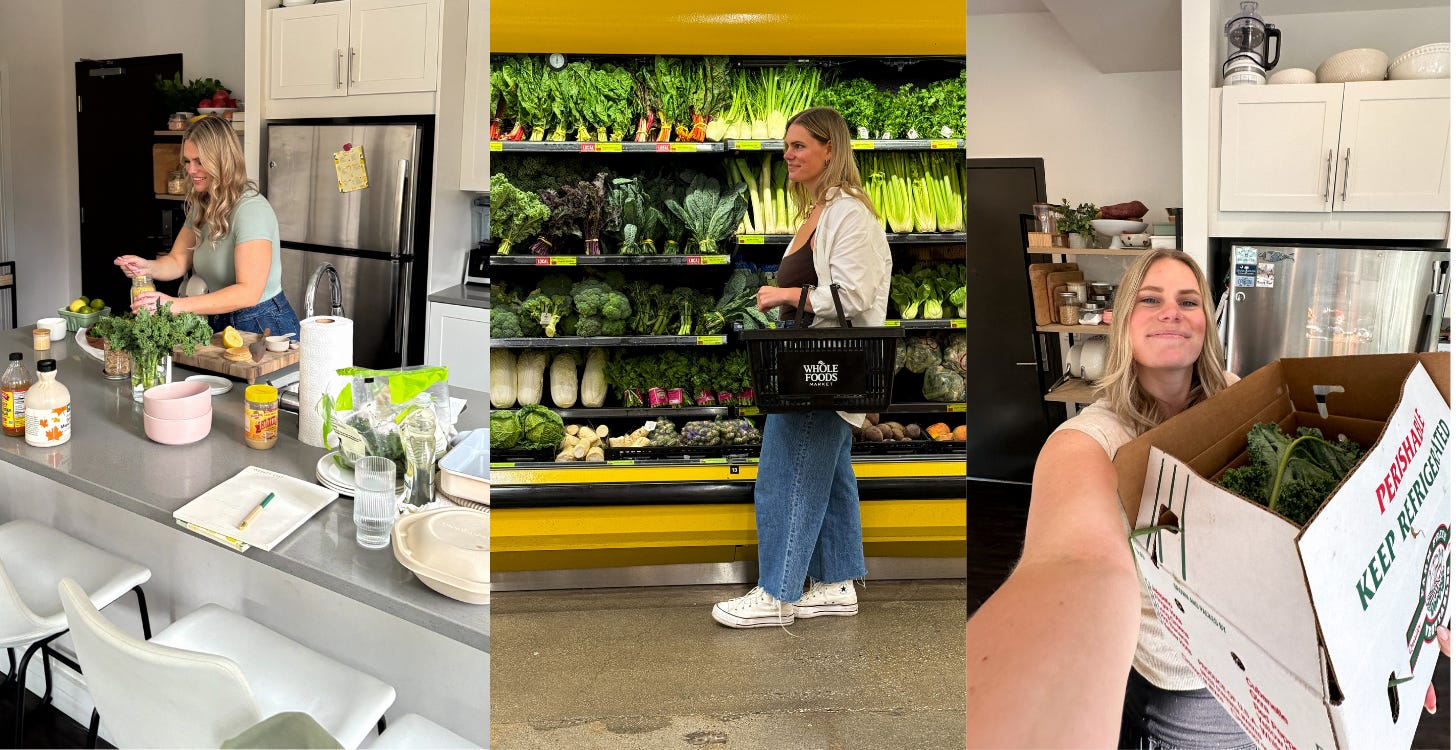
I had been developing simple, nutritious recipes for years and sharing them on social media, but one day, I decided to take it a step further. I created a low-cost grocery list of basic plants, proteins, and pantry staples, filmed myself shopping for everything, and designed a precise meal plan for the week that would use up every ingredient. It was actionable, easy to follow, accessible to the average person, and left no room for decision fatigue when dinner time came around. Everyone loved it. I was thrilled! I finally had my first viral video.
So, I did it again. And again, and again, and again, and again, and… I knew I had created an impactful, useful system that addressed not just what to have for dinner, but how to get it on the table efficiently, affordably, and enjoyably.
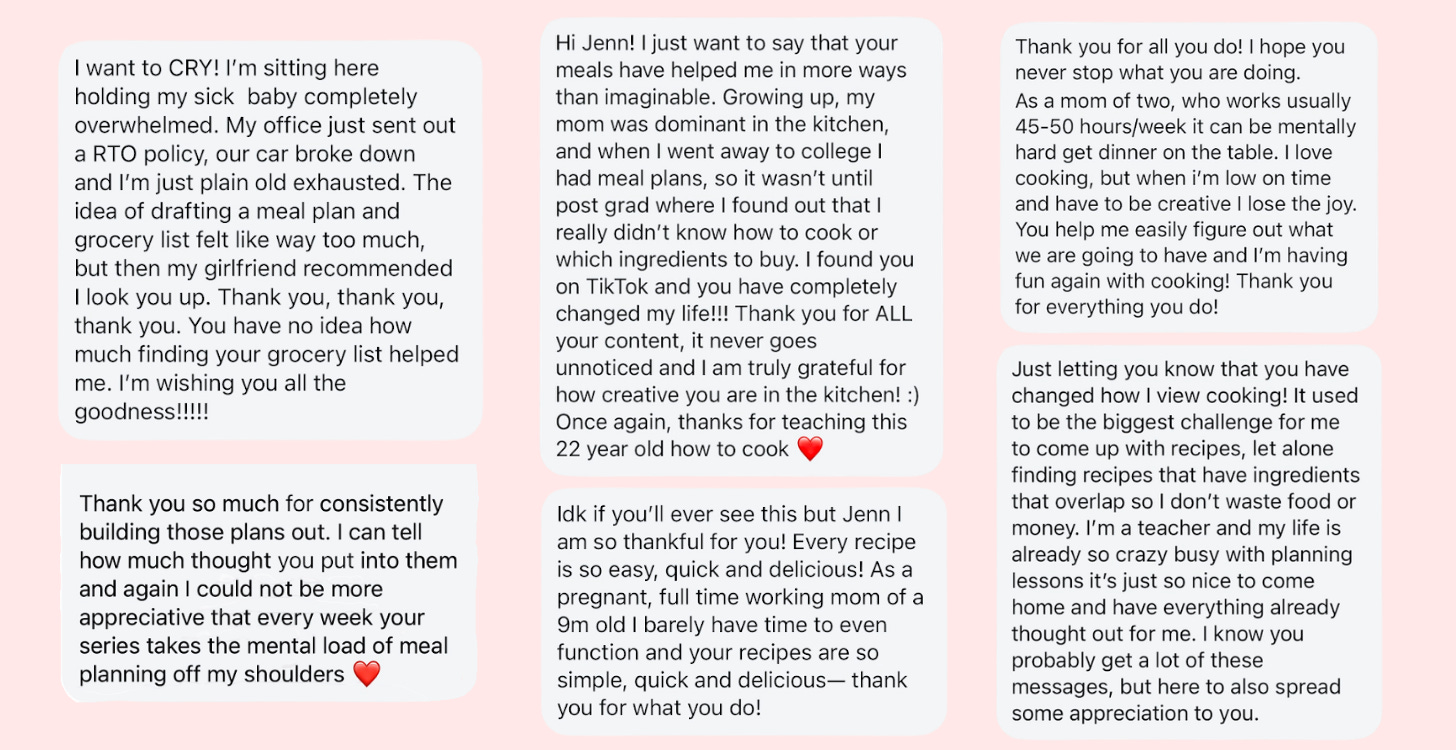
Not only did my followers love the plans, they wanted to talk about it. They wanted to have a place where they could ask questions, exchange notes with other busy people, and find community in the difficult but necessary task of navigating weekly meals.
That’s when I created the newsletter. A sea of unknown likes and saves became a real community. The people I email every single week with new dinner strategies, meal prep plans, kitchen guides, and more. The ones who found each other in the comments, in our group chat, and in the shared exhale of finally, I don’t have to think about it.
Today, the newsletter has over 175,000 subscribers and continues to grow daily. We plan, shop, prep, and cook together every week. We discuss swaps and subs in the comments, exchange photos in the chat, and geek out over unique ways to use seasonal produce.
Growing the newsletter showed me that at the end of the day, community building is all about shared experience, no matter what niche you’re in. And having that kind of space to connect over common problems and experiences is so critical in today’s world.
If you’re also looking to build some kind of community, no matter what your industry or niche is, I know how challenging that can be. Along the way I’ve tried a lot of different things–it took YEARS and many failed ideas before anyone cared about my content–but now I’m lucky enough to say I found what worked. Let me share some of my biggest takeaways with you.
Find the Gap
Thriving community forms around a shared frustration that people feel privately but haven’t seen discussed publicly. When it came to my world of recipes, what wasn’t being acknowledged enough was the mental load—the drain of figuring out what to eat, how to shop for it (while staying on budget, too), how to prep it, and where to find the time to actually do it all.
It was a lack of structure! The cognitive load that came before cooking wasn’t being addressed. So I looked to fill that gap.
When I started naming that problem and offering structured solutions, people felt heard. Viewers weren’t consuming aspirational content, they were nodding along, saving, and forwarding posts to their partners saying okay, we need to try this. As a community builder, think less about creating content and more about articulating a real problem with your unique solution.
Be Reliable
This is where it gets hard! Consistently showing up takes a lot of effort, but it’s critical for building a strong foundation.
When you’re joining any kind of group, you want to know what to expect from the community and look forward to it. As a result, my content schedule rules all: posts every Sunday, Wednesday, and Friday, each featuring a consistent type of content that subscribers expect. That way, I’m constantly reminding the community that I’m here, I’m providing value, and there’s more to discuss.
The consistent opportunities for learning and engagement give subscribers a reason to remain part of the community. And because I do what I say I’m going to do, they feel listened to and supported. You have to be consistent enough to build that base.
Build Trust
In an industry where paywalls are now everywhere, one of the most important decisions I made early on was to give away valuable content for free. As a result, the majority of eat goood posts are available to every subscriber at no cost.
While accessibility is a core value mine, it’s also a vital part of my growth strategy. Highly valuable free content has helped me build trust with my audience. It makes everyone who subscribes to the free newsletter think to themselves “if the free newsletter is this good, I bet the paid community really is worth joining.” And going back to what I said above about reliability, when readers can look back at a library of promises being delivered through valuable free content that has been delivered week after week, they stop wondering whether they can trust that you’re worth their time. They already know.
For my community, the paid tier exists for people who want a deeper level of support, but it works because the free tier works first. Resist the urge to gate your best content too early. Let people fall in love with what you do before you ask for more in return.
Be The Connector
As the community builder, I know I’m responsible for giving members opportunities to find each other. I’m constantly encouraging subscribers to utilize the free group chat, discuss in the comments, and talk with each other about their feedback on the newsletter.
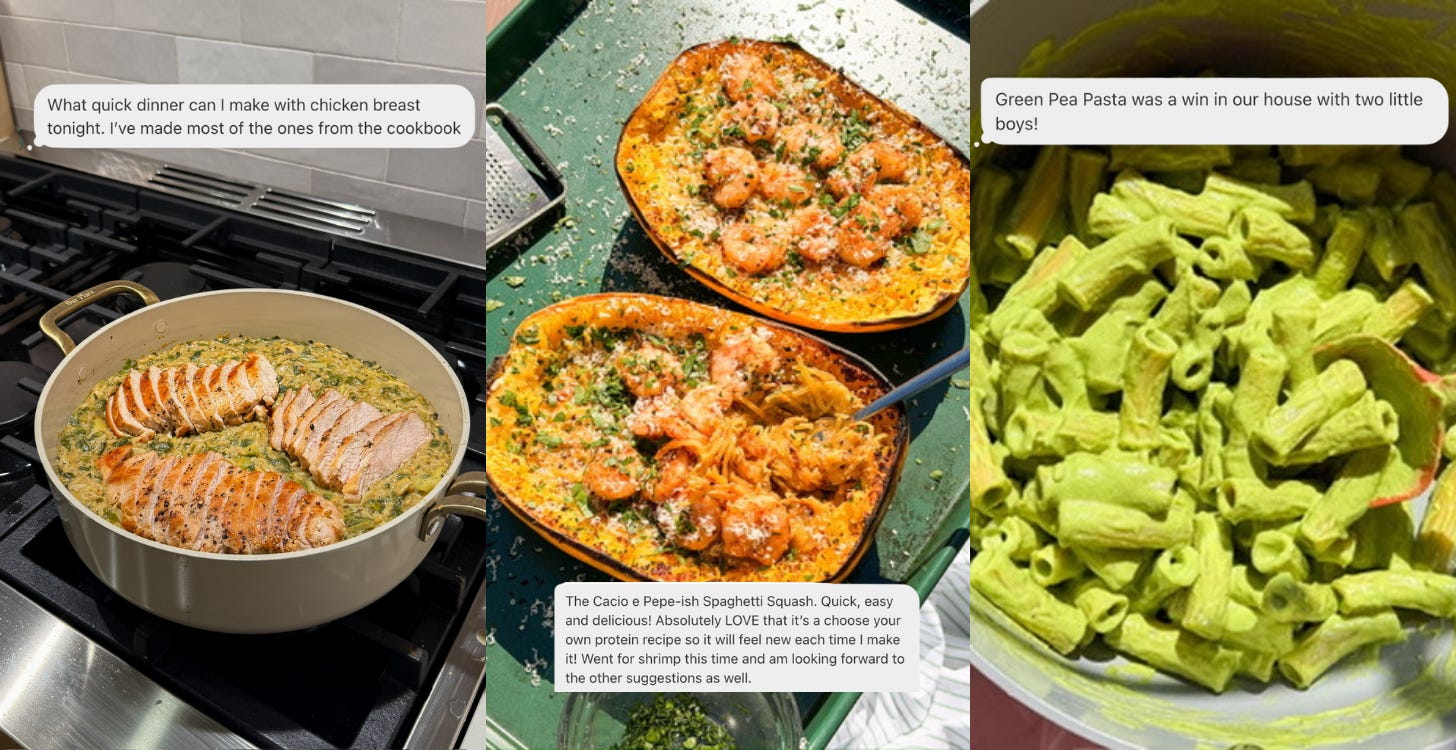
Activating the group chat has had the biggest impact. It’s a space where everyone can swap recipe notes, troubleshoot, share wins, and commiserate over the weeks that went sideways. The conversations emerged as people realized they were surrounded by others navigating the same challenges.
You want to build community over audience, because an audience watches you, but a community talks to each other. I’m not talking at my subscribers, I’m talking with them. The format matters less than the intention, but a discussion space is key.
Keep The Momentum
When those moments of connection happen, take advantage of them. I’m always in comment sections and chat threads to participate, too. I set time aside to read the feedback and conversations happening so I know what’s top of mind for subscribers. I also make changes constantly, and let them know I’m doing so to make the member experience better.
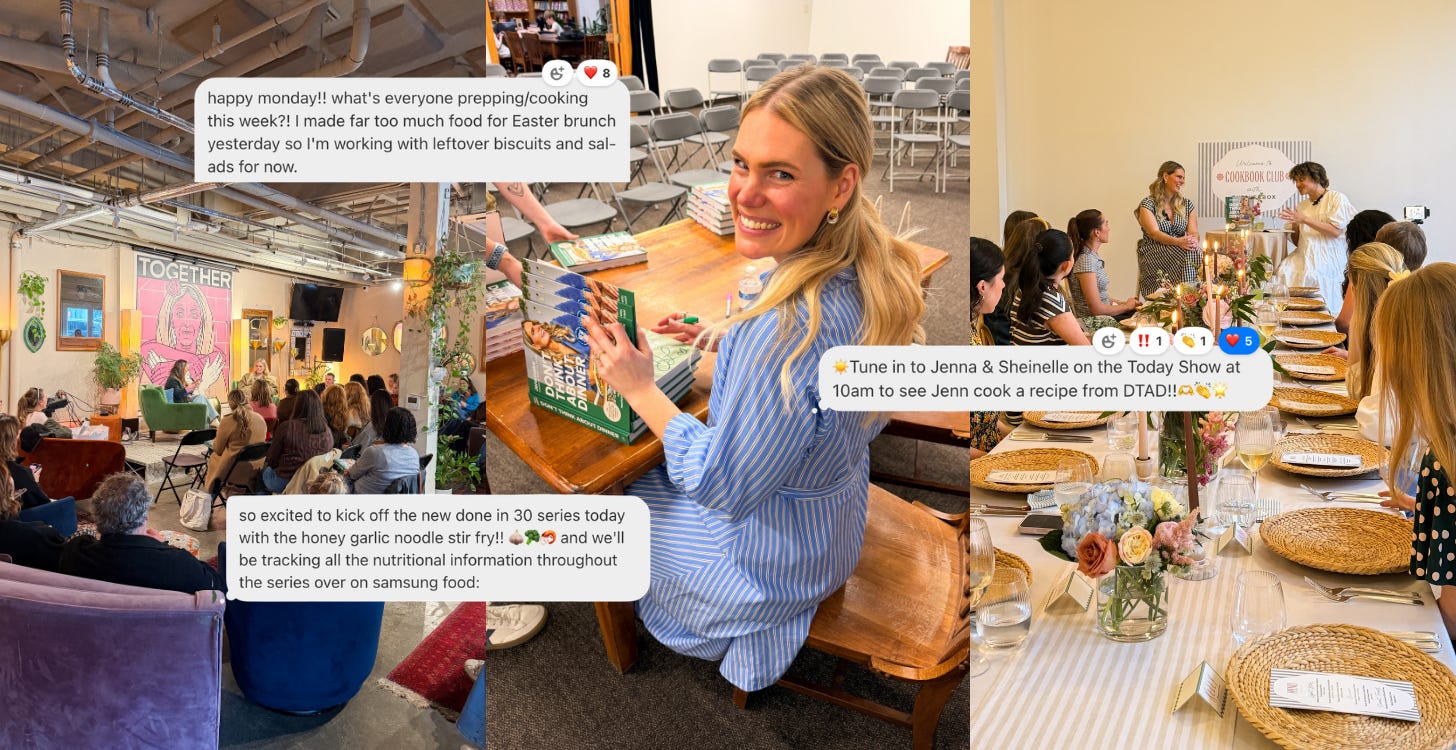
And communities need reasons to show up regularly—not just for your content, but for each other. Challenges, themed series, and rewards have been very effective tools in my toolkit. Whether it’s a monthly meal prep challenge or back-to-school series, they give members something to do together, which deepens their connection to both the community and the content. Connection happens through active participation, not passive consumption.
None of this requires a big launch, a viral post, or a pre-existing audience. It requires finding a problem worth solving, being consistent enough for people to trust you, and creating a space for people to find each other.
When I was alone in my apartment kitchen sharing budget-friendly meal plans, the shared problem brought the right people in. Since then, pushing community has kept them engaged.
Whatever you’re building, find the problem, fill the gap, earn trust, sustain connection, and keep showing up.
One thing I really loved in Jenn’s essay is the idea that an audience watches you, but a community talks to each other.
That feels especially true right now. The best spaces, online and in life, are the ones where people feel understood, welcomed, and a little less alone.
Jenn built that through grocery lists and weeknight dinners, a reminder that meaningful connection can grow from the simplest things.
A little food for thought (no pun intended): what’s a community in your life that makes you feel connected?
Xo,
Jenna
 | A guest post by
|
Jenna, it's such an honor to share some of my writing with your community! Thank you for giving me the space 💗 Always love reading your newsletter xo
Great post, I'm heading over to check out Jenn's Substack right now. Some may not agree or have had the same experience, but I have found community in my church. I've gone there for a long time, but joined a Bible study group in 2014 and that has made all the difference. These ladies have carried me through losing my mom, dad and then my brother. They have prayed for my kids, checked in on me when life gets hard and encourage me in faith. Community is so important, wherever you find it. I would love to build a community with my Substack so I appreciate these tips from Jenn!