

Bless It All
Pulling up a chair for Kate Bowler...


Bless It All
Over this past year, and especially as I created this Substack, I found myself wanting to talk about hope and looking for ways to stay joyful in the middle of a contentious world. I kept coming back to writing that encouraged me to keep going and to notice light and love in small moments, and within myself.
Kate Bowler’s essay below is exactly what I was looking for and, in my opinion, exactly the mindset I want to carry into 2026. I hope her words give you a moment to slow down and feel a little less alone, whatever this season looks like for you.
Here’s Kate:
We are fluent in the language of deserving—even if we don’t realize it.
We love stories that promise life will reward us if we choose the right mindset, the right habits, the right prayers. Think positively. Speak life. Don’t manifest the wrong future.
You’ve seen it embroidered on pillows at your local HomeGoods, preached from pulpits, and slipped casually into conversation. This deeply American conviction—that we are the authors of our outcomes—assures us that pain is always preventable and suffering is always a lesson in disguise.
This story gets especially loud around the holidays, when we’re surrounded by promises of joy and meaning and wonder. Many of us (sigh) are left feeling exhausted, sad, and, frankly, disappointed.
But the belief that you can out-maneuver pain will never survive reality. It is a belief too small for a world this fragile.
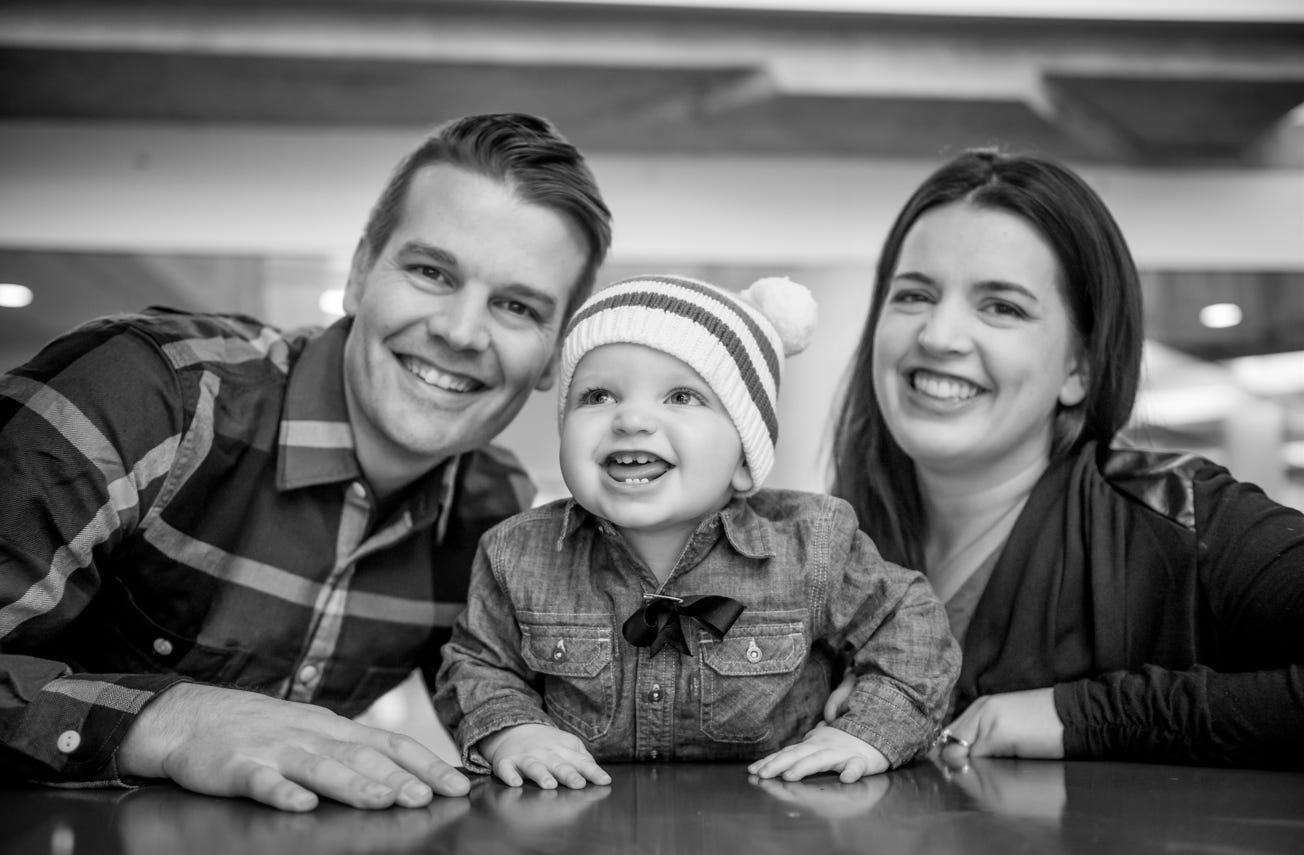
For a while, my life seemed to fit that script. I married my high school sweetheart, became a professor at Duke University, and, after years of infertility, a mom to a chubby baby who was mostly his enormous eyeballs. But then (and isn’t there always a “but then”), at thirty-five, I was diagnosed with stage IV cancer. Suddenly, I was plunged into a world of needles and medication timers and regular scans. But also into a world that wanted to convince me that everything happens for a reason.
Ironically, I had just published a book called Blessed that laid out the first history of the rise of the idea that the right kind of faith will bring you health, wealth, and happiness. For a decade, I had been a researcher and an expert and a pretty-great question asker with a sensible clipboard. Now I was walking around feeling like my life was evidence of something else. A failure of faith, maybe.
There was no room for someone like me in a world obsessed with “living your best life now.”
And I get it. Those stories are like catnip. They tell us that the world is ultimately fair, that we can earn our way out of heartbreak, that God will never let tragedy touch us. They whisper: You beautiful, hard-working, positive-thinking, faithful person … YOU will be the exception.
But, like so many of us know, that isn’t the case.
Instead, I needed to learn the language of a God who does not hover only over mountaintops but shows up on an ordinary Tuesday, even when I’m pretttttty busy arguing with the insurance company, thankyouverymuch. I needed a God whose love was recognizable not just in miracles or meaning-making, but in the long stretches of silence too.
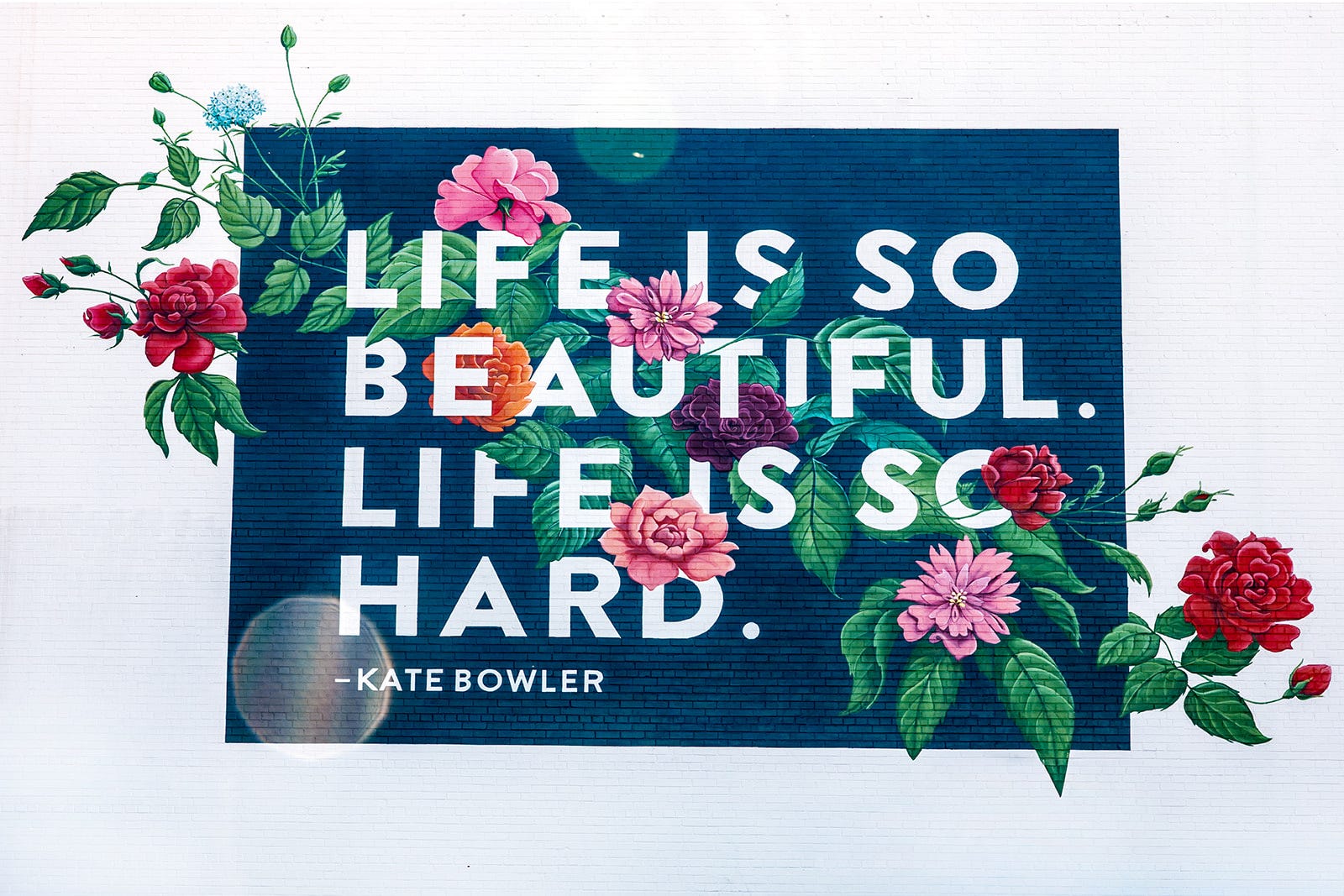
There is a beautiful and instructive language that we can use for naming that strange mix of awful and divine experiences in our lives. And I’ve been hilariously late in using it, mostly because I thought I already knew it. It’s the language of blessing.
A blessing, it turns out, is more than a flush of gratitude for life’s gifts. Or a spiritual language for triumph. (See: #blessed on Instagram.) Instead, it is the strange and vital work of noticing what is true about God and ourselves. And sometimes those truths are awful.
My friend, Old Testament scholar Stephen Chapman calls the act of blessing a kind of spiritual “placement.” This goes here. That goes there. We are beginning to fit this moment in the larger order of things, the divine story of God’s work and purposes. I find that language of placement and re-placement to be incredibly satisfying. Blessings put our spiritual house in order, even when our circumstances are entirely out of order.
A blessing doesn’t fix anything. It doesn’t explain suffering or tie a bow around what is still broken. It tells the truth—about what hurts, what’s unfair, what’s beautiful, and what we’re still longing for in our own lives.
That kind of honesty feels especially necessary in the Christmas season, when joy and nostalgia sit right beside grief and longing.
Faith, I have learned, is not a guarantee of less pain. But the language of blessing is a way of making room for God and for ourselves to live inside the lives we actually have.
To bless is to say: This hurts. This is unfair. This is still unfinished. And also: God is still here.
Not fixing. Not explaining.
Just blessing it all.
So here is a blessing for you, dear reader.
Bless this life that does not resolve neatly.
Bless the joy that surprises us and the grief that lingers.Bless what is broken,
what is unfinished,
and what still aches for more.And bless us as we wait,
on the ordinary Tuesdays,
and in the long stretches where nothing is fixed.May we remember that God is still here too.
Bless it all
Kate reminds us that we don’t have to have everything figured out to keep showing up. Sometimes, just being present is enough.
As we head into the holidays, I’d love to know: is there a prayer, a mantra, or a simple phrase you come back to when you need to feel grounded again?
Wishing you a peaceful holiday season, with moments of rest and a little extra gentleness for yourself. Happy holidays to you and yours.
 | A guest post by
|
Jenna and Kate, This is so beautiful for this season (any season). Thank you! My Go To: “Be still, and know that I am God.”
My breath prayer recently has been ‘God is in control. I can let go.’ Letting go of expectations, letting go of anxiety about big things I have no control over, and learning the practice of resting in the quiet presence of God.