

No Beach Bag is Complete Without a Book
"June Baby" is the vacation read I'll be recommending to everyone this summer


We’ve all had that one summer that still lives inside us years later (cue August from my favorite Taylor album, folklore). It’s a time of year that evokes so much… youth, freedom, nostalgia.
The feeling that anything is still possible. It’s hard to capture that feeling on the page, and yet, in her debut novel, June Baby, Shannon Garvey does just that. Shannon grew up in Rhode Island, spending her summers as close to the beach as she possibly could. You can tell that by the way she so beautifully captures the fleeting, whimsical feeling of June through September.

And at the same time, her book also tackles grief and its refusal to take the summer off.
Our protagonist, Ruth, is reeling from the death of her mother, and unable to handle her grief, her father sends her off to Block Island to find a woman she’s never met, a woman who knew her mother. Block island becomes the place Ruth orbits her whole year around, returning every June.
Early on, I learned that Shannon’s mother, in real life, was diagnosed with breast cancer after Shannon started writing her novel (thankfully, she is doing well now). She writes with a deep wisdom about life and loss that can only come from someone who’s brushed up against it.
And so, Shannon’s novel, in many ways, is a love letter to her mom. Her dedication brought me to tears when I first read it —

And how timely, too, that this love letter of hers is publishing just after Mother’s Day.
June Baby is the perfect combination of two of my favorite authors - Lily King and Elin Hilderbrand. A beach read with real heft that made me reflect on so many life-changing summers of my own
Enjoy this sneak peek at an excerpt from the prologue, and if you love it, you can preorder a copy of your own here.
xoxo
Jenna

JUNE BABY by Shannon Garvey, pp 8 - 14
Getting on her bike, [Ruth] glided out into the road toward an empty intersection. The sun was beating against her face, and she needed to squint at the street signs before she checked the paper and headed up a steep street lined with grass and budding daisies that wobbled in the warm summer air.
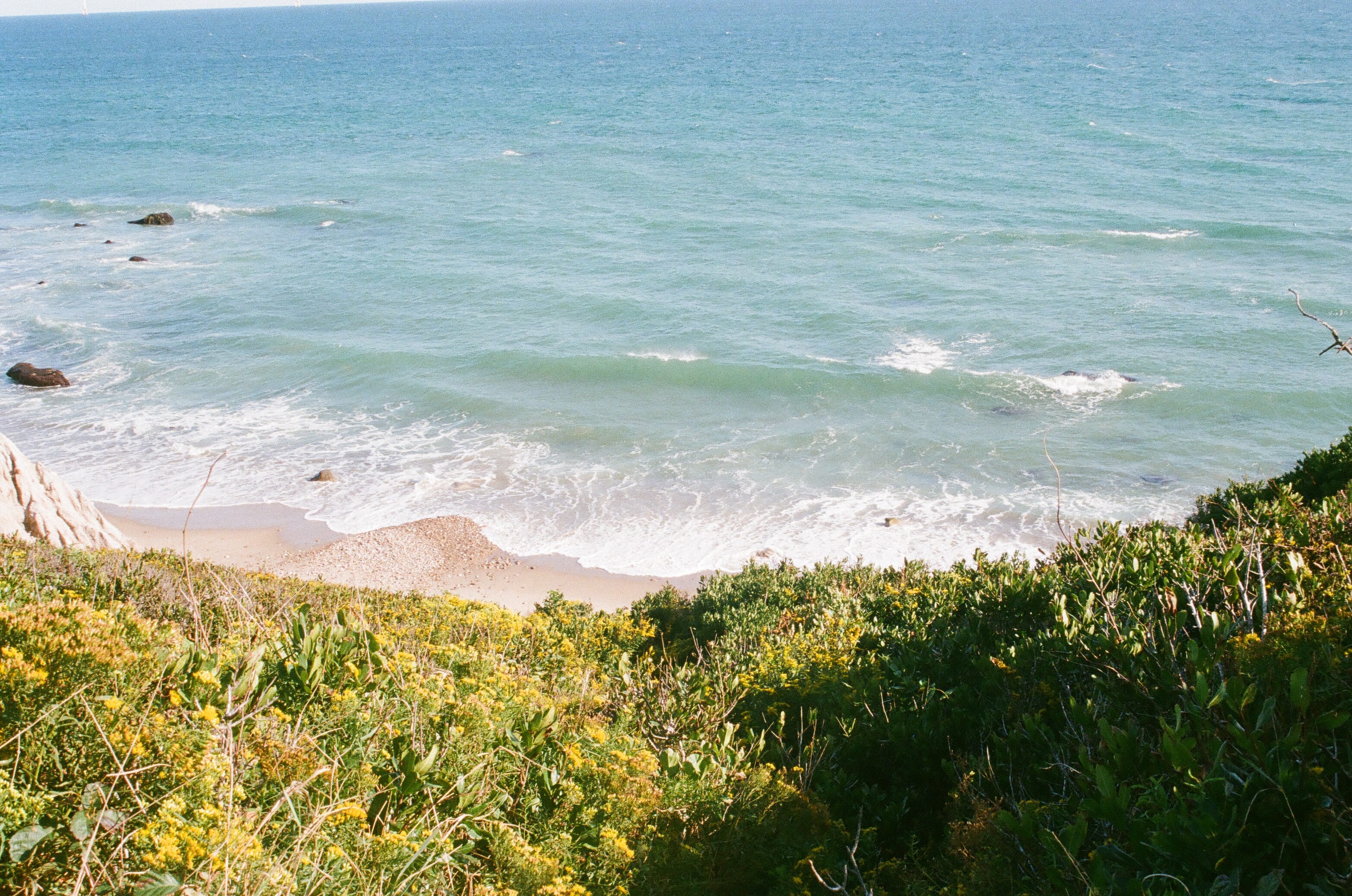
As Ruth biked up the hill, sweat dripped from her face and arms. She often stopped to catch her breath and look at the large houses set back on their green lawns, the low bushes around them thick and lush.
It was hard not to think of her mother everywhere, to picture her during the one summer Ruth knew she had spent on the island— Maggie, in her youth, unencumbered by a husband or daughter, her cancer years away from her body or mind. Ruth had always imagined her mother’s many tumors like shattered glass, the shards sprinkled across her body into the farthest corners, hard to find, impossible to clean out. Thinking about Maggie as she had been, Ruth could see it all happen in reverse. Like rewinding a movie, she could imagine the shards coming together, the glass falling upward until it was whole once again,sitting, benign, on the shelf.
Ruth could picture Maggie cresting the hill, just as Ruth was now, the ocean breeze cool against her hot skin— both of them unaware of what was to come.
As Ruth pedaled, she passed a man on a ladder painting the trim of a window. A small radio was on the stoop playing a song that her father loved. As she watched him paint, he reminded her of Joel. Worry ran through her. Who would check on him alone in the house? She wouldn’t be there to scold him into putting out the late- night cigarettes or to shop for food that didn’t come in plastic trays. Watching the man descend the ladder and crack a beer, worry faded back into anger. Ruth was angry that she felt the need to take care of her father even as he was sending her to a stranger, leaving her to grieve alone. It was the first time she had ever heard Joel talk about “opportunities” with her, and she didn’t buy it. He just wanted her sadness out of the house.
Soon the road deteriorated into rocky sand, and she had to get off her bike to push through the thick patches until she saw a gap in the grasses up ahead. A sign hung from rusted chains attached to a post, and Ruth could read 53 Payne Road carved into the wood and painted over with black. She double- checked the piece of paper Bonnie had given her before turning her bike onto the driveway. Walking, she weaved the bike around potholes, a small dust cloud kicking up behind her until she reached the end of the driveway. A green archway of privet bushes, big enough that if Ruth jumped, she could barely touch the branches with her fingertips, deposited her onto a yard with a beach cottage overlooking a sprawling garden. There was a large beech tree with a swath of shade underneath it, a sliver of ocean hazy on the distant horizon, and a small shed with a blue door right at the edge of the property.
Ruth’s face was hot to the touch, and her mouth was dry. She dropped her bike on the grass and slung her backpack off her shoulders. From a distance, Ruth could see shadows passing across the wire screen of the front door and could hear the sounds of kitchen items being sorted and drawers being shut.
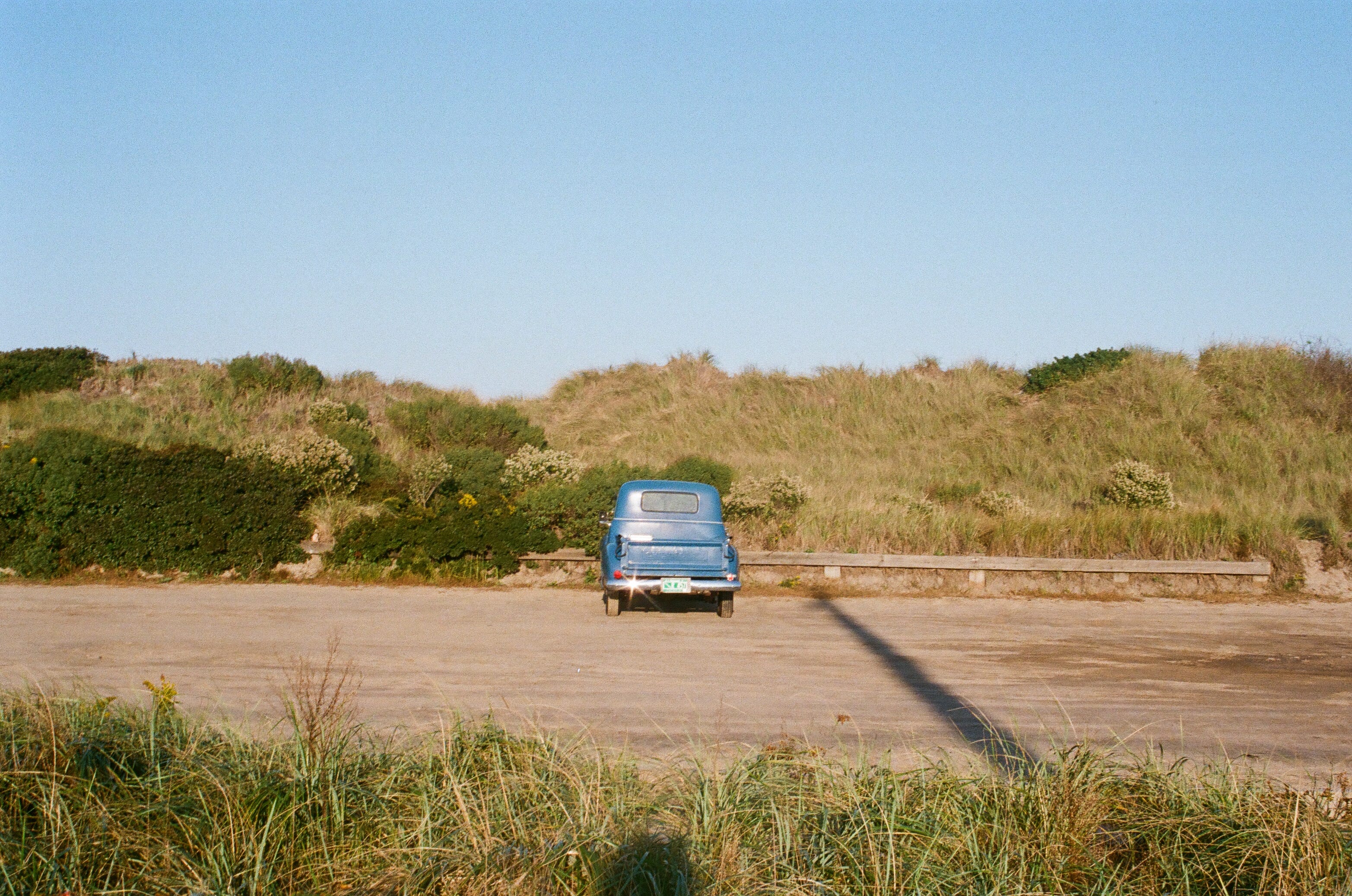
Approaching the doorway, Ruth stopped, preparing herself to knock, but before she could, the door opened with a peeling metallic squeal, and a red- haired woman with a deeply freckled face walked out onto the stoop. The woman stared at Ruth for a minute. Her eyes roamed over Ruth’s face, stopping at every feature. Ruth felt herself starting to itch under the woman’s gaze.
“You’re Ruth,” the woman said. It was a question posed as a statement. Ruth nodded.
“You’re Diana?” Ruth asked, her voice raspy. The woman nodded.
Neither of them said anything for another moment as Diana studied Ruth.
“I’m sorry about your mom,” she said, and Ruth was struck by how the woman’s face fell as she said the words.
Ruth was about to ask her how well she knew Maggie but Diana abruptly brushed past her and started walking around the house, talking behind her as she went.
“The hose is the coldest, and you look like you need to stick your head under some water— submerge a bit.”
Ruth followed, confused, and considered the shady garden.
She nodded at the suggestion, starting to feel dizzy from the heat. Diana leaned down and cranked the rusty faucet. The hose became taut, and water flowed from its mouth into the scrubby grass. She handed it to Ruth and took the backpack out of her hand.
“I’ll be out front when you’re done,” she said.
Ruth waited for Diana to round the corner before turning the hose on herself, soaking her hair in the cold stream and feeling the welcome pressure against her skull. The water ran over her burned skin and underneath her sweaty clothes— she didn’t care. She had kept it together so far that day, but now that she was alone she unclenched her fists and began to cry, letting the hot tears get washed away by the flow of water as if they’d never happened.
Ruth thought of the fog, the heavy weight she’d felt loaded down by, how most of her days since school had ended were spent lying in bed, too tired to get up until it was time for her to go to work at the diner. She wasn’t thinking about Maggie. Any thought she had felt too sharp, too close. She was protecting herself. Joel didn’t understand.
The incident that had sparked everything started when Ruth finally left her bed to get water. As she went to open the fridge, she noticed all the notes that Maggie used to write for herself were gone. She snapped, growing more and more frantic as she searched in the kitchen drawers, in the trash, pulling everything out, letting it all spill onto the floor. When Joel got home, she screamed at him for throwing them out, for touching anything of Maggie’s. She had no recollection of what she had said, but she did remember his tears, how silent he was, his large hands covering his face as he sobbed. Even when Ruth thought of it now, when she saw his horrified face in her mind, she was still angry at him. He was acting as if he had never cared, as if life was business as usual, and she wasn’t going to forgive him for that.
Ruth sat on the back step for another moment, trying to push the uncomfortable memory out of her mind, occasionally drinking from the hose, taking her time.
When Ruth thought about her mom, her body ached, like it was folding in on itself. Since Maggie died, this sensation had struck Ruth where she imagined herself growing smaller and smaller, her insides crunching up against one another, everything squeezing together like it might combust, but it never did.
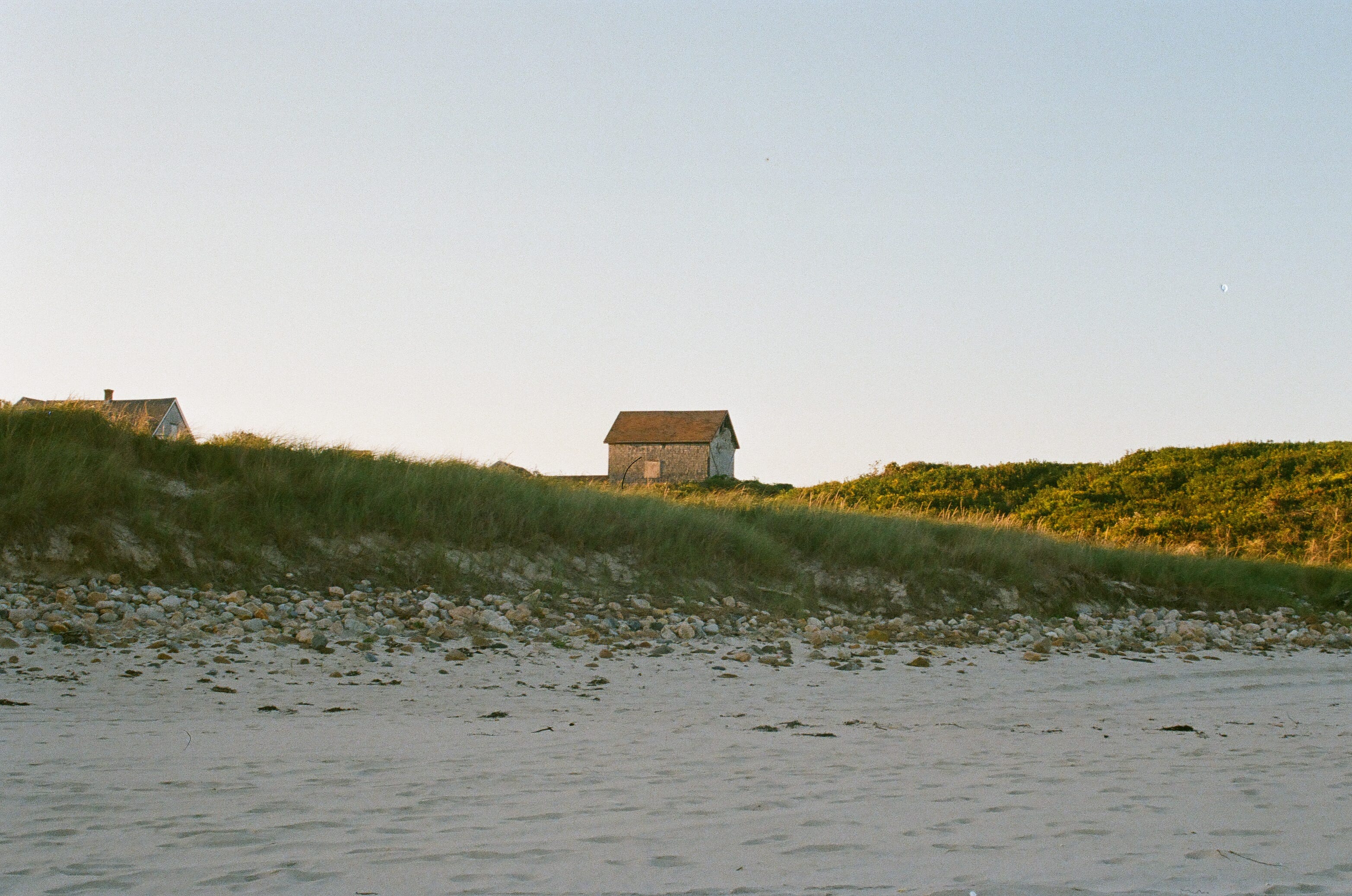
There was no release.
What she hadn’t told anyone, what she often denied even to herself, was that a small part of her felt relief that it was over—that she didn’t have to watch her mom fade anymore, that the ache was better than those final days when the space between each of Maggie’s breaths was longer and each rise of her chest was more and more shallow. It had felt as if the waves on the shore were going to stop and Ruth had no way of knowing what would happen then, realizing how much her life as she under- stood it depended on the rhythm of those waves continuing.
What she couldn’t say out loud was that she had needed to look away.
A breeze came over the yard, and Ruth looked up. The shadows of the leaves rippled jade green against the grass. She realized then how quiet it was. All she could hear was the flowing of the hose water into the grass, the shuffling of the leaves above her, and a mourning dove cooing somewhere nearby. It seemed to Ruth suddenly like a magical place— like a place in one of the books she used to love reading as a child. Back when she would hide away in a shady spot in her backyard, turning pages until Maggie came looking for her. The breeze ruffled everything again, and she took a deep breath. Standing, she wiped her eyes, turned off the hose, and headed back around the side of the house, water dripping from her body, her clothes now soaking wet.
Diana was sitting on a large, uneven stone that served as the front stoop. Her long, curly red hair was streaked with white. She wore an old blue T- shirt that hung loosely over her body, and sat with her elbows on her knees and her hands folded under her chin. Ruth felt herself become smaller again, looking at Diana’s knees. They reminded her so much of her mother’s—sprinkled with forgotten hairs, freckled, and lined with wrinkles. The kind of wrinkles that looked like a ripple in a calm pool once you throw a stone into it, the small waves echoing away from the source.
Diana shaded her gray eyes from the sun, looking up at Ruth, and pointed to the grass next to the stoop. Ruth crossed her legs and sat down, still soaking wet. Diana handed her a tuna sandwich and a kitchen cloth patterned with faded yellow ducks.
“Thank you,” Ruth said, but she just stared at it until Diana shrugged.
“Eat it,” she said. And Ruth took a bite. The bread was soft behind the thick crust, and the tuna was cold and salty. She ate while Diana looked her over, not realizing how hungry she had been. A few minutes of silence passed while Diana swirled some pollen that coated the surface of a small puddle in the stone next to her, and Ruth started wondering whether Diana had known she was coming.
“My dad said you needed help for the summer,” Ruth said in between bites.
Diana looked at her, her eyebrows crumpled together, exposing a long divot that ran down the center of her forehead.
“Did he . . . forget to call and say I was coming?” Ruth asked.
Had Diana just forgotten? Or had Joel never called to confirm? Ruth realized she was breathing fast, worried about going back home, until a look of recognition swept over Diana’s face.
“Yes! An assistant!” she said. “Sorry. Things always start to fly out of my brain when I get busy . . . I’m working on the edits for this photo book and I’ve always hated the writing part of these things. Yes, of course, I knew you were coming today.”
Ruth nodded and continued eating, feeling uncertain. Neither of them spoke. Ruth started to sense an awkwardness in the silence, and the thought that she was alone crept in on her, even as she sat next to Diana.
“How long has it been since Maggie died?” Diana suddenly asked. Her voice was quiet, like she didn’t want to disturb Ruth.
“Three months,” Ruth said. She was staring at the ground, feeling tears build within her.
“Not very long,” Diana replied, her voice quieter than before.
Ruth shook her head, looking at the grass as she let out a sob.
“Oh no, no.” Diana scooted closer to Ruth. “It’s okay.” She took Ruth’s head in her hands rather abruptly and laid it against her thigh, stroking her wet hair. Ruth let herself be comforted by this stranger, the softness of Diana’s touch making Ruth’s throat thick. Joel’s attempts to console her never seemed to carry the same comfort. She cried for another minute and then sat up, wiping her eyes.
“Sending you off like that— Oh, Joel,” Diana said, “what an asshole.”
Ruth nodded. Diana was staring at her again, and Ruth got the sense that she was experiencing an intense emotion. Her face fell for only a second before lifting into a serene smile. “But I get it. He was probably right. It could be good for you— a change.” Diana grabbed Ruth’s empty plate, stood up, and opened the screen door. “Come on, I’ll show you your room,” she said before the door squealed shut behind her. Ruth stood, unfolding her legs, sore from biking. Wiping the rest of the tears away with the back of her hand, she peered through the screen door, the sunlit hallway visible behind it. Diana continued to talk to her from inside the house, and Ruth picked up only bits and pieces of what she was saying about photography, copyedit- ing, and archives.
Diana paused, then shouted out toward the yard: “Oh! My nephew Charlie comes to stay for a week in August. It’ll be a squeeze in here, but you’ll like him.”
The heat had already partially dried Ruth’s wet clothes, and the sensation of the sun, warm against her back, comforted her like a hug. Music began playing inside the house. Diana did seem scatterbrained. Maybe she really had just forgotten. Another low breeze ran through the yard, and the leaves on the beech tree shook. Ruth smiled, and it felt good, like coming up for air.
“You coming?” Diana called over the music.
Opening the screen door, Ruth walked into the light of the hallway.
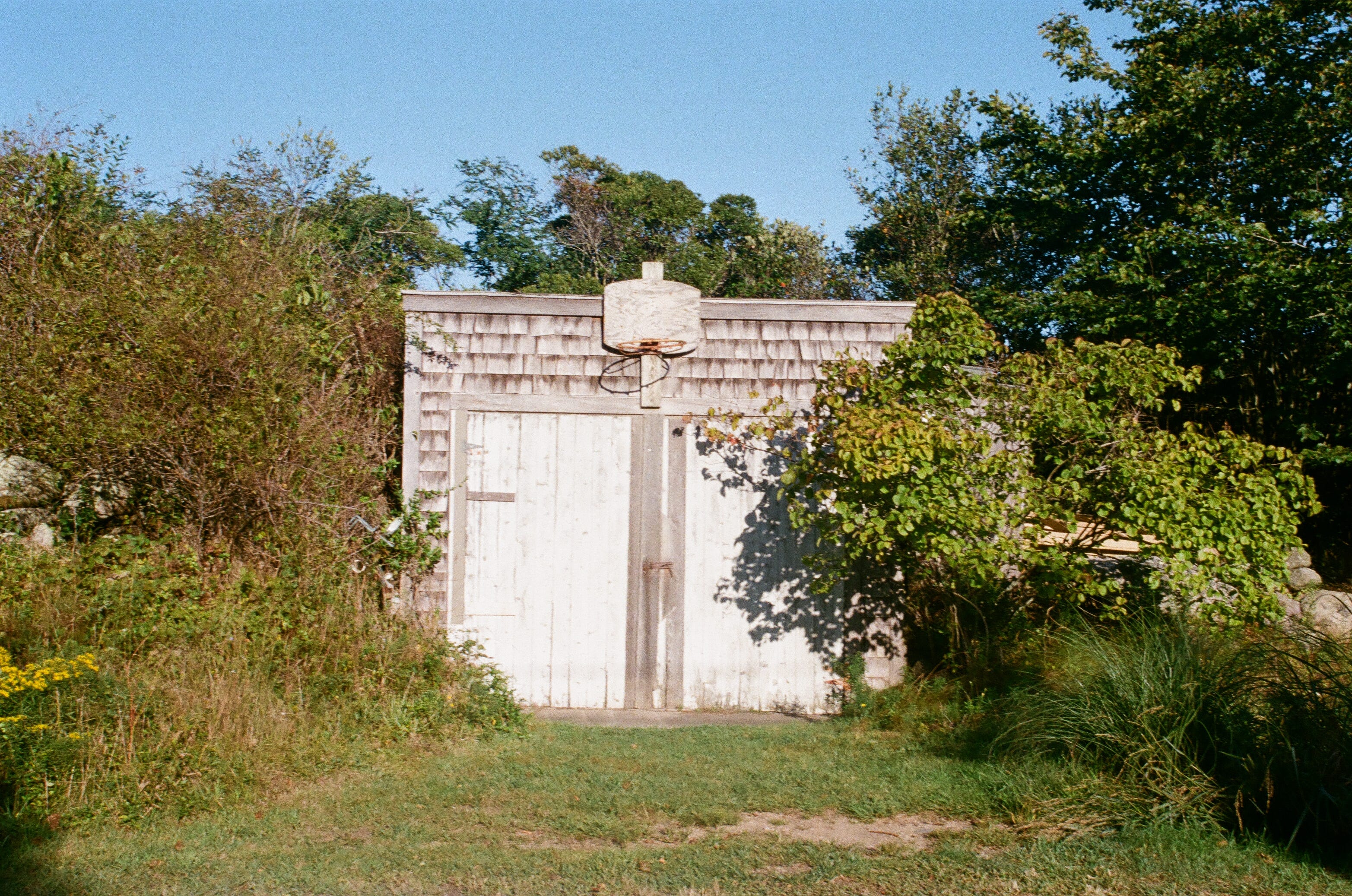
Shannon worked as a housekeeper at an inn during one summer into fall on Block Island, and from that experience she’s created a novel where the setting feels like a character of its own.
I’m so thrilled to share this one with you. May you listen to Folklore on your beach towel, this novel in hand, for hours on end.
XO,
Jenna
 | A guest post by
|
I got chills reading Shannon Garvey's dedication to her mom. This book is my next read for sure.
This sounds like my kind of book! Two of my favorite authors! Can’t wait to dive in!